


Because your markup is http://www.carnehereford.com.br/what-is-a-shipping-invoice-a-bill-of-lading-guide/ consistently 50%, you estimate your remaining inventory at cost to be half of that $40,000, which is $20,000. Because you assume prices are the same, retail accounting is easy to calculate and can lower your expenses without needing to close the store for inventory counts or pay staff to do it for you. Next, you’ll calculate your total inventory costs, including your initial inventory and additional inventory purchases, before making sales.
- The retail method of accounting is a valuable tool for retailers, offering a practical approach to inventory valuation and cost of goods sold (COGS) calculation.
- Current liabilities encompass short-term obligations, such as accounts payable, accrued expenses, and short-term loans.
- For example, inventory valuation is one of the most crucial accounting policies in the retail industry.
- Make sure the solution has best-in-class encryption, clients back up regularly and that access control plus role-based domain permissions are in place.
- Maintaining strong relationships with vendors and suppliers can have a significant impact on cash flow.
What Retail Businesses in Bhutan Should Look for in Accounting Software
They provide insights into product performance, customer behavior, and overall business health. Additionally, retailers should compare income statements from different periods to identify trends. For example, increasing gross profit margins may indicate successful pricing strategies or cost control measures, while rising operating expenses may require further investigation. Adjust inventory levels seasonally or based on changing consumer preferences. This helps reduce carrying costs and ensures you have the https://www.bookstime.com/ right products in stock when customers want them. It allows retailers to input expenses easily, generate reports, and set up automatic expense reminders.
Reports That Make Sense
For Vietnam, the UAE serves not only as a consumer market but also as a gateway to the Middle East and North Africa. Vietnamese products such as garments, footwear, coffee, tropical agricultural produce, aquatic products, processed foods and electronic components have gained a foothold in the Czech market. A key focus of the strategy is encouraging enterprises from all economic sectors to participate in retail development in forms and at scales suited to their capacity. However, the specific method of calculating the value of ending inventory (e.g., FIFO, LIFO) can affect your COGS and, consequently, your reported profits.
- RetailCore is designed specifically for retail stores with POS and inventory features.
- One of the key benefits of JuanTax Plus is its automated books of accounts feature.
- A well-structured chart of accounts tailored to retail operations is a fundamental tool in achieving this.
- Invest in inventory management software to accurately track stock levels, product turnover rates, and reorder points.
- It tracks a company’s revenues, costs, and expenses over a specific period, typically a month, quarter, or year.
- This example demonstrates how the retail method simplifies the inventory valuation process, making it a valuable tool for retailers to manage their financial records efficiently.
- You can explore leading accounting software options in our review of QuickBooks Online and our review of Xero.
What Retail Businesses Should Look for in Accounting Software
This method is commonly used by businesses that sell inventory with an expiration date, like food and drinks. When doing retail accounting, there are a couple of different inventory valuation methods. The method you choose will depend on your business and what you sell. Since retail accounting depends on estimates, there is a great scope for error in the valuation of inventories. For instance, if the retail prices have changed due to discounts or promotions, then the estimated inventory value may not be the actual value of the stock. In retail accounting, profits can be estimated easily by adding the same percentage markup to inventory.
What inventory method do retail stores use?

As with any method of accounting, however, retail accounting, too, presents some challenges. In other words, retail accounting is a way of tracking inventory costs that is especially retail accounting simplified compared to the other available methods. The retail method is a simplified way to estimate the cost of ending inventory. It involves applying a predetermined cost percentage to the retail value of goods on hand. This percentage typically reflects the historical relationship between the cost and retail prices of inventory items.
Key takeaways

Clear financial records make pricing, purchasing, and expansion decisions easier. While retail accounting simplifies inventory management, it doesn’t offer the precision attributed to the more traditional methods of accounting. This makes any analysis of specific cost drivers a hard thing for the business to do, or profitability tracking at the level of an individual product.
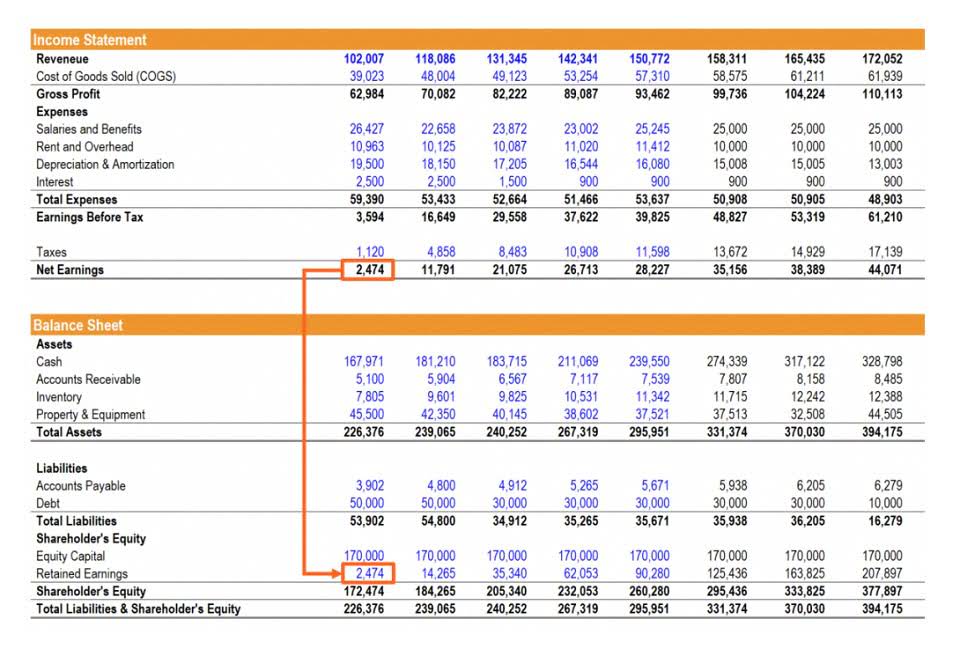
- The cash flow statement tracks the real movement of money in and out of your business.
- This enables you to optimize stock levels, minimize overstock, and prevent stockouts.
- The periodic method involves counting what’s on your shelves at the end of a week, month, or quarter.
- This guide delves into the world of retail accounting, exploring various retail accounting methods, the backbone of recording your financial activities.
With just a few clicks, retailers can get an accurate, real-time depiction of their business’s financial health. This can help them to make informed decisions, identify areas for improvement, and optimize their financial performance. Financial ratio analysis is the process of evaluating a company’s performance by examining key ratios across liquidity, profitability, leverage, and efficiency.
Ways to Account for Inventory Costs in Retail Accounting
One of our major advantages is that we commit to delivering jargon-free financials in real-time, ensuring that your business can understand and act upon its financial data with ease. By automatically recording all transactions from bank accounts and credit/debit cards, We take the hassle out of data entry, allowing retailers and wholesalers to focus on their core operations. Stay up-to-date with changes in tax laws and regulations that affect retail businesses. Attend workshops, seminars, or webinars on tax compliance and financial management.
About The Author
